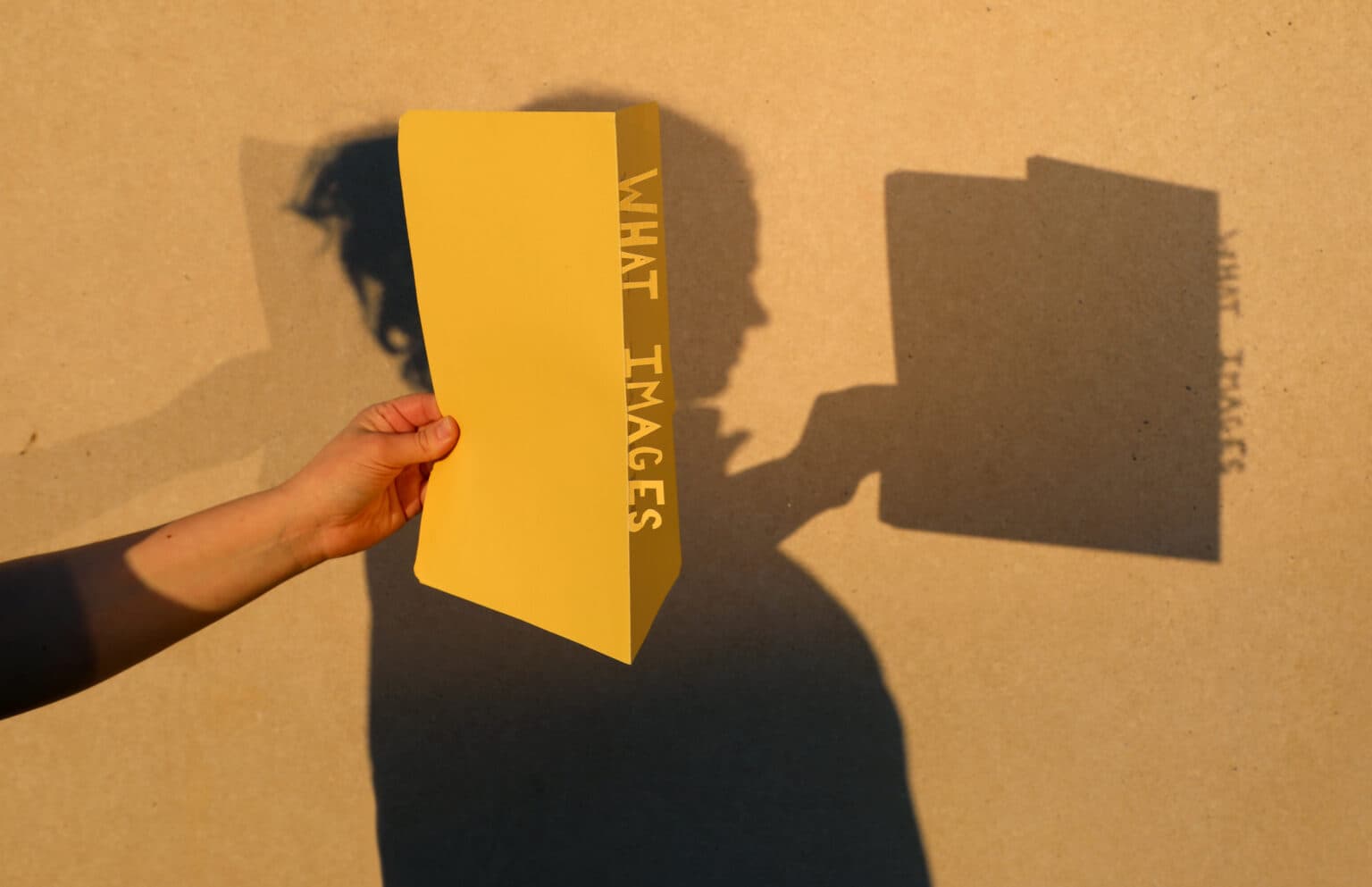
What Images
Layan Attari, born in Kuwait and now based between the UAE and Chicago, is a multidisciplinary artist whose practice spans installation, video, photography, and graphic design. Holding a BSc in Multimedia Design from the American University of Sharjah (2011), an MFA in Art Theory and Practice from Northwestern University (2023), and recent training at Skowhegan School of Painting and Sculpture (2025), Attari has built a career rooted in the UAE's vibrant art scene while expanding through international residencies like Campus Art Dubai and Stiftung Künstlerdorf Schöppingen. Her style blends documentary precision with fabricated elements, often employing replicas, relics, and documents to probe core themes of authenticity, national identity, and constructed environments—particularly artificial water-based landscapes in the Arabian Gulf that sustain well-being amid arid modernity. What distinguishes Attari's work is its sly interrogation of visual authority, drawing from her graphic design background to craft a language of simulated realism that blurs the line between genuine artifacts and deliberate forgeries. Influenced by Gulf urbanism and the social infrastructures of city-states, as seen in exhibitions like Total Landscaping at Warehouse421 and her MFA thesis What am I to do with a weak mirror?, she repurposes photographic evidence and design tools to expose the fragility of national narratives and ecological illusions. This cultural context—rooted in UAE residencies such as Fikra and Salama bint Hamdan Fellowship—infuses her installations and videos with a post-authenticity ethos, where replicas of state-sanctioned relics challenge viewers to question the permeability of borders and belonging. In "What Images" at TCNJ Art Gallery, Attari's contributions resonate profoundly, offering Philly audiences an immersive encounter with the crisis of meaning in image-making. Through her video and installation works, visitors will navigate disorienting replicas of watery utopias and mirrored distortions that dismantle conventional perceptions, inviting reflection on how fabricated visuals prop up personal and collective realities. Her presence elevates the exhibition's exploration of image crises, bridging UAE's engineered oases with universal doubts about authenticity, leaving audiences to confront their own fragile gazes.
All exhibitions →Lindsey Arturo is a Philadelphia-based artist and adjunct professor whose practice centers on installation and video works that probe the intersections of memory, identity, and cultural displacement. Born to Panamanian roots and shaped by migrations across the Americas, she works from studios in Portobelo, Panama, and urban centers like Atlanta and New York, drawing on ethnographic research into African diasporic spiritualities and aesthetic retentions. Her style blends immersive installations with time-based video narratives, often incorporating biodegradable materials, ritual elements, and collaborative performances to evoke the life force of ashé—the Yoruba concept of vital energy permeating all existence. Core themes in her oeuvre revolve around rediscoveries of Congo traditions, the legacy of cimarrones who resisted Spanish enslavement, and the reinvention of African aesthetics in contemporary contexts, manifesting in large-scale, site-specific projects that bridge history and the present. What distinguishes Lindsey Arturo's work is its distinctive visual language, rooted in the Congo cosmogram's elemental cycle—water as origins, earth as embodiment, fire as transformation, and breath as spirit—infused with influences from Santería practices and Plexus International's collaborative co-operas. Her pieces, such as ephemeral sculptures at Las Orquídeas Environmental Sculpture Park or films like those documenting artists' voyages along Panama's Congo coast, emerge from deep cultural investigations, challenging viewers to confront the rituals and symbols of negritude in a postmodern mestizaje. This fusion of scholarly rigor and performative intuition sets her apart, reflecting a cultural context of diaspora resilience amid globalization, where personal narratives of migration from Colón to Brooklyn inform a praxis that is both preservative and radically inventive. In the "What Images" exhibition at TCNJ Art Gallery, Lindsey Arturo's contributions hold profound significance, offering Philly audiences an intimate encounter with the crisis of meaning in image-making through her video and installation works. Visitors will experience disorienting projections and tactile assemblages that dismantle conventional perceptions, inviting reflection on how images encode spiritual retentions and historical erasures. Her presence in this collective response underscores the exhibition's urgency, transforming passive viewing into a participatory rite that resonates with local communities grappling with their own diasporic stories.
All exhibitions →Adi Blaustein Rejto, born in Poughkeepsie, New York in 1995 and raised amid the lush contours of the Catskill Mountains, bridges the worlds of science and art with a practice rooted in organic chemistry and molecular biochemistry. Holding a BA from Hampshire College, they are currently an MFA candidate at Rutgers Mason Gross School of the Arts in New Brunswick, New Jersey, where they live and work alongside studios in Brooklyn and the Mid-Hudson Valley. Rejto's core mediums encompass oil painting, pigment foraging, and paint-making, though their oeuvre extends into installation and video, blending foraged earth pigments with synthetic oils to probe the intersections of personal trauma, grief, political struggle, and ecological remediation. Their style evokes scenes of joyous rupture, transfiguring earthly poisons—reclaimed industrial contaminants and local soils—into materials that confront overwhelm with boundless imagination and gratitude. What distinguishes Rejto's visual language is its alchemical fusion of chemistry and site-specific intervention, drawing from a background in political organizing to unearth material histories amid private and public conflicts. Works like July 4th, 2021, layer foraged pigments, handmade oil paints, charcoal, and graphite into meditations on regeneration, while collaborative projects such as "riding the earth's spine" with Helen Wilson—unfolding through films, drawings, voice recordings, and texts—capture love and grief in shapeshifting forms across European travels. Influenced by regenerative economies and wild pigment traditions, as seen in their contributions to the Wild Pigment Project, Rejto's practice remediates contaminated landscapes, challenging viewers to witness the ecstasy hidden within rigidity. In the "What Images" exhibition at TCNJ Art Gallery, Rejto's video and installation works resonate profoundly, inviting Philly audiences to grapple with the crisis of meaning in image-making through personal, tactile responses. Here, their pieces disrupt conventional perceptions, recomposing trauma into immersive scenes where foraged pigments and moving images entwine ecological healing with emotional rupture, offering a visceral encounter that lingers long after viewing.
All exhibitions →What Images explores the crisis of meaning in image-making through personal responses from various artists. The exhibition features video and installation works that challenge conventional perceptions of images.